














 Free Shipping
 15-Days Return
 2-Year Warranty

 Free Shipping
 15-Days Return
 2-Year Warranty
Electric Bikes for Heavy Riders

Safety Certified
Certified to UL 2849 / UL 2271 by SGS


Safety Certified
SGS certified to UL 2271 for batteries, except Dachshund and Dachshund Pro. SGS certified to UL 2849 for e-bikes, except Dachshund, Dachshund Pro, Poodle, and Poodle Pro. Certifications for the remaining models are in progress.






See Our E-Bikes for Heavy Riders in Action


Voice from Our Customers


Electric Bikes for Heavy Riders FAQs
1. What Should Heavy Riders Look for in an Electric Bike?
Start with payload capacity, frame strength, braking performance, tire size, motor output, and overall fit. A well-matched electric bike for heavy riders should support the combined weight of the rider and gear while maintaining stable handling and comfortable control across everyday roads and varied terrain.
2. Is a 500 lb Payload Capacity the Same as Supporting a 500 lb Rider?
No. Payload capacity generally refers to the total weight the bike is designed to carry, including the rider, clothing, accessories, bags, and other cargo. A 500 lb payload e-bike should not automatically be interpreted as being designed for a 500 lb rider alone. Always consider the full riding load when choosing a model.
3. What Is a Good Weight Capacity for an E-Bike for Heavy Riders?
The right capacity depends on rider weight and how much additional gear will be carried. For riders who need more support, high-payload e-bikes rated around 400–500 lb can provide more room for the rider, bags, racks, and everyday cargo without operating too close to the bike's stated limit.
4. Do Fat Tires Make an E-Bike Better for Heavy Riders?
Fat tires can provide a larger contact patch and a more planted feel, especially on gravel, dirt, uneven roads, and softer surfaces. They can also add cushioning and stability, which is why many high-capacity electric bikes pair higher payload ratings with wider tires.
5. Which Puckipuppy E-Bike Should I Choose as a Heavier Rider?
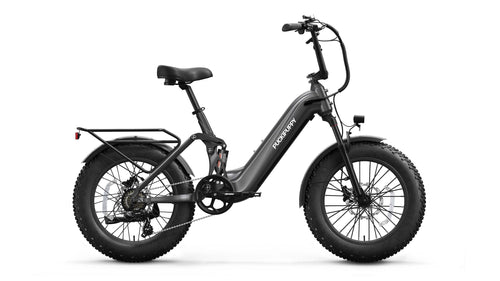
The right model depends on total payload, riding style, and range needs. For a two-wheel setup, Labrador Pro supports up to 400 lb and combines fat tires, full suspension, and up to 80 miles of range, making it a strong all-around option for mixed terrain. Schnauzer Plus increases maximum payload to 450 lb and adds a dual-battery system with up to 120 miles of range, making it better suited for riders who want more carrying capacity and longer-distance performance.
For riders who prioritize maximum carrying capacity and three-wheel stability, models such as the Alaskan or Husky support up to 500 lb. These e-trikes are better suited to riders who want additional stability, cargo capacity, and a more planted feel for everyday riding.
Always calculate total payload based on the rider, clothing, accessories, and cargo rather than rider weight alone.
6. Does Rider Weight Affect E-Bike Range?
Yes. Rider weight, cargo, hills, tire pressure, terrain, temperature, speed, and assist level can all affect real-world range. A heavier total load generally requires more energy, especially during climbing and frequent acceleration. For longer trips, choosing a larger battery and leaving extra range for the return ride is a practical approach.
7. How Should a High-Payload E-Bike Be Maintained?
Regularly check tire pressure, brake performance, wheel condition, drivetrain wear, suspension, and important bolts or fasteners. Bikes that frequently carry higher loads may place additional demand on tires, brakes, and other components, making routine inspection especially important before longer rides.
8. Can Puckipuppy Electric Bikes for Heavy Riders Be Purchased With Financing?
Eligible orders may have financing options available at checkout. Payment plans can help spread the purchase cost over multiple payments, with available terms and eligibility depending on the financing provider, order amount, and approval.
9. Do Puckipuppy High-Payload Electric Bikes Include Free Shipping?
Eligible Puckipuppy e-bike orders include free shipping within supported delivery areas. Available shipping options and any location-specific conditions should be confirmed on the product page or during checkout.